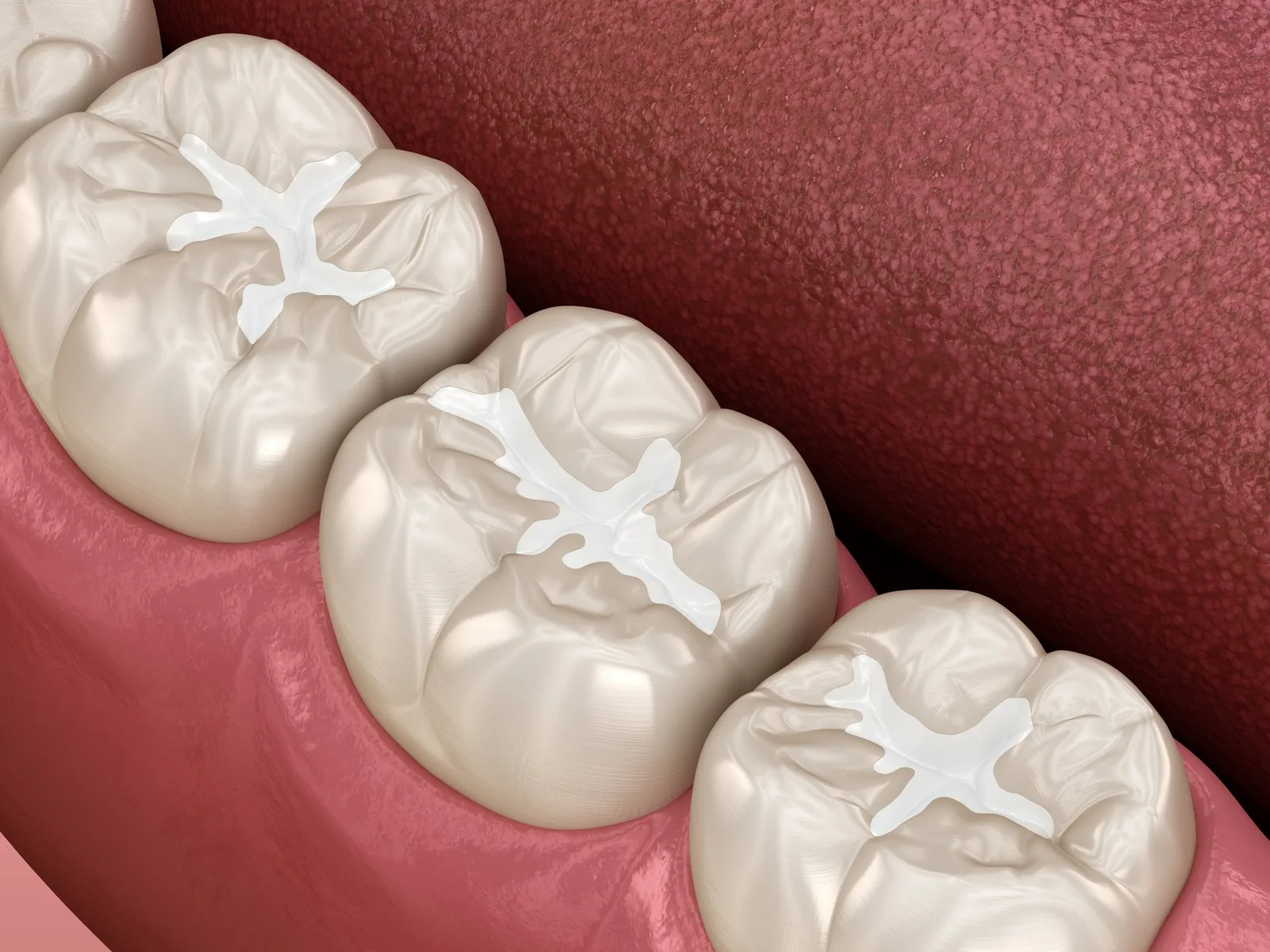

Menopause can raise cavity risk, mainly by reducing the saliva that protects teeth.
Noticed more cavities lately, despite brushing the same way you always have? Hormones may be part of the explanation. Menopause makes cavities more likely for many women, which is why fluoride treatment becomes more valuable during this stage of life. Fluoride treatment is a quick, concentrated application that strengthens enamel against decay. Understanding the connection helps you stay ahead of a problem that often catches people off guard. Nothing about your habits has to change for the risk to rise. That is precisely what makes it worth knowing about in advance.
Key Takeaways
- Falling estrogen levels reduce saliva, and less saliva means more cavity risk.
- Dry mouth affects roughly a quarter of women during menopause.
- Gum recession exposes root surfaces, which decay more easily than enamel.
- Bone density changes can affect the jaw and the support around teeth.
- Fluoride, hydration, and more frequent checkups all help manage the risk.
Why Does Menopause Affect Your Teeth?
Estrogen does more in the mouth than most people realize. It helps maintain gum tissue, supports bone density, and plays a role in saliva production. According to Healthline, declining estrogen during menopause can cause dry mouth, tooth sensitivity, taste changes, burning mouth syndrome, and inflamed gums. Dry mouth reduces saliva production, raising the risk of tooth decay and infection.
These changes often begin during perimenopause, before menopause is officially diagnosed. That timing catches many women by surprise. Bone density in the jaw can decline as well, which affects the support around the teeth and, over time, how securely they sit.
How Does Dry Mouth Cause Cavities?
Saliva is your mouth’s primary defense, and losing it changes everything. It rinses away food particles, neutralizes the acids bacteria produce, and delivers minerals that repair early enamel damage. Menopause dry mouth reduces that protection, letting acid sit on teeth longer and giving bacteria a better environment to thrive in. The result is decay appearing in places, and at a pace you have not experienced before.
Roughly one in four women notice reduced saliva flow during this stage. Certain medications common in midlife compound the effect, since many list dry mouth as a side effect. A burning sensation or altered taste sometimes accompanies it.
Are Root Cavities a Bigger Concern?
They become a particular risk, and they are worth understanding. As gums recede, root surfaces that were previously covered become exposed. Unlike the crown, roots have no enamel protecting them, so they decay considerably faster when acid reaches them. Combine receding gums with reduced saliva, and you have the conditions where root decay develops quickly. This is often why cavities appear near the gumline in women who have had healthy teeth their whole lives. Root decay can also progress faster than decay on the crown, which makes catching it early especially valuable.
How Does Fluoride Help?
Fluoride works directly against the process causing the problem. It strengthens enamel and helps rebuild areas where acid has started stripping minerals away, making the surface more resistant to future attacks. A fluoride treatment for adults is especially useful when dry mouth or gum recession raises the risk, since it provides much more concentrated protection than toothpaste alone. The application takes only a few minutes in the chair and is painless. Fluoride is also particularly effective at protecting exposed root surfaces. A prescription-strength fluoride toothpaste for daily home use extends that protection between visits.
What Else Can You Do?
Several practical steps add up meaningfully together. Sip water during the day, chew sugar-free gum to stimulate saliva, and consider a saliva substitute or a rinse designed for dry mouth. Limit caffeine, alcohol, and tobacco, all of which worsen dryness. Brush with fluoride toothpaste and floss consistently. More frequent cleanings catch problems earlier during a period when your risk has genuinely changed. New symptoms, including sensitivity or a burning sensation, are useful information for the dental team.
Frequently Asked Questions
Is dry mouth during menopause permanent?
Not necessarily. It often improves with treatment and good habits, though some women experience it long-term. Either way, it can be managed.
Can fluoride reverse a cavity that has already started forming?
No. Fluoride strengthens weakened enamel and can halt very early damage, but an actual cavity needs a filling.
Should I see the dentist more often during menopause?
Often yes. Increased risk usually warrants shorter intervals between cleanings and exams, which an evaluation can determine.
Staying Ahead of the Change
Menopause makes cavities more likely mainly by reducing saliva and exposing root surfaces, not because anyone suddenly started brushing less carefully. Recognizing that shift is what allows you to respond to it. Fluoride treatment strengthens enamel and protects vulnerable roots, and paired with hydration and regular visits, it keeps risk manageable. The change in risk is real, but it is also one of the more manageable ones menopause brings.
- If you want to learn more about whether menopause makes cavities more likely, visit our Fluoride Treatment in Garden Grove, CA, page or schedule a consultation.