

A smile makeover combines several dental treatments into one coordinated plan for your smile.
Heard the term smile makeover and wondered what it actually includes? It is not one procedure. The treatments that make up a smile makeover are chosen and sequenced individually, which is what separates a smile makeover from a single cosmetic fix. A smile makeover is a coordinated plan that combines several treatments to improve how your smile looks and functions. Some pieces are purely cosmetic, while others restore function at the same time. Here is what typically goes into one and why the order matters. No two makeovers include exactly the same treatments. That flexibility is the strength of the approach.
Key Takeaways
- A smile makeover combines several treatments rather than relying on one.
- Whitening, veneers, bonding, crowns, and gum contouring are common components.
- Orthodontics may come first when teeth need repositioning.
- Any decay or gum disease is treated before cosmetic work begins.
- The sequence matters, since each step sets up the one that follows.
What Treatments Are Usually Included?
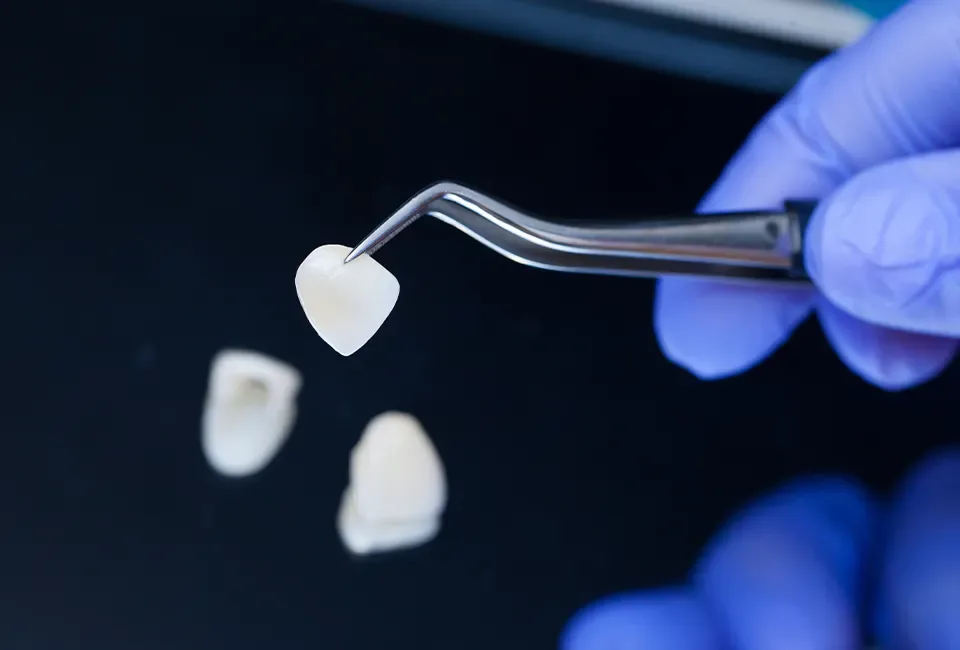
The lineup depends entirely on what you want changed. Whitening addresses color, veneers and bonding correct shape and small imperfections, crowns restore damaged teeth, and gum contouring evens an uneven gumline. According to Colgate, common cosmetic procedures include whitening, veneers, bonding, and inlays and onlays, each addressing different concerns. Implants or bridges may be part of the plan when teeth are missing, since gaps affect both the appearance of a smile and the way the surrounding teeth sit.
Most smile makeover options draw from this same menu, combined differently for each person. Some plans involve just two treatments, while others coordinate five or six across several months. The number depends entirely on the starting point and the goal.
Does Every Makeover Include Veneers?
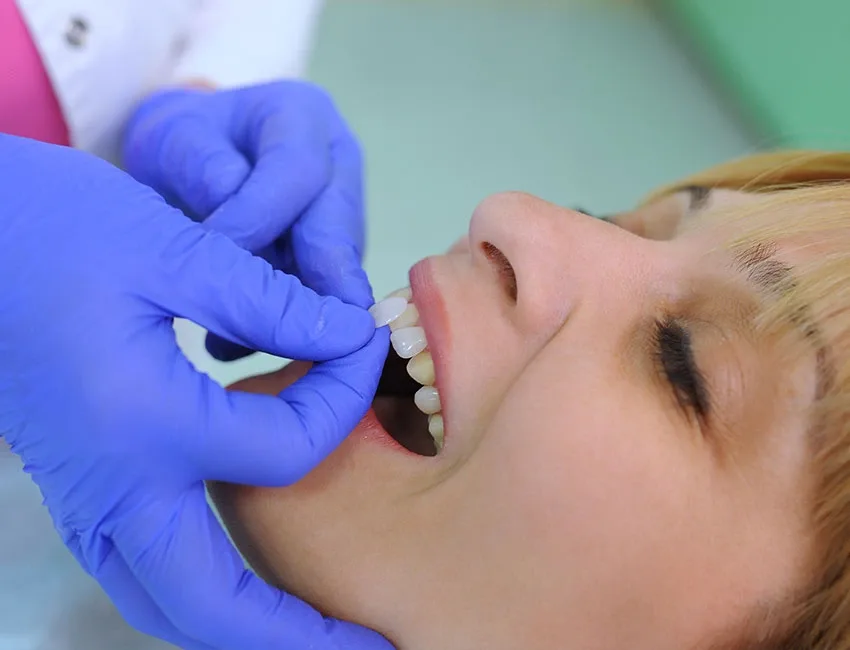
No, though they are common. Veneers handle color, shape, and minor alignment all at once, which makes them efficient when several concerns overlap. But someone whose teeth are healthy and well-shaped may only need whitening and a bit of bonding. Another person might need crowns on damaged molars and nothing on the front teeth, even though the molars barely show when they smile. The point of a makeover is matching treatments to your specific concerns rather than applying a standard package. A good plan also preserves as much natural tooth as possible, which often means choosing the least invasive option that achieves the result.
Where Does Orthodontics Fit In?
Often at the very beginning. When teeth are significantly crowded, rotated, or spaced apart, moving them first produces a better foundation than covering them up. Clear aligners or braces reposition the teeth, and cosmetic work afterward refines color and shape. Skipping this step and trying to mask heavy misalignment with veneers usually requires removing more enamel and can produce a bulky result. A full smile makeover involving orthodontics takes longer, but the outcome tends to hold up better. Clear aligners have made this step considerably more appealing for adults, since they are discreet and removable throughout treatment.
What Comes Before the Cosmetic Work?
Health always precedes appearance. Active cavities, gum disease, and failing old restorations are addressed first, because cosmetic work placed over an unhealthy foundation will not last. Grinding is identified and managed, often with a mouth guard, since it can crack veneers and crowns. Any needed root canals or extractions happen at this stage too, along with treatment for receding gums when that is part of the picture. This groundwork is invisible in the final result, but it determines whether that result lasts years or months. Whitening often belongs early in the sequence too, since the shade of your natural teeth sets the target for any veneers or crowns that follow.
How Is the Plan Put Together?
It starts with a conversation and a thorough exam. Photographs, digital scans, and sometimes video of you speaking help the dentist understand how your smile moves and what specifically bothers you. Many practices create a digital preview or a temporary mock-up you can wear, so you see the proposed result before committing to it. Adjustments happen at that stage, when nothing is permanent yet, and changes cost only time.
Bringing photos of smiles you like can help communicate what you are after. The finished plan lays out each treatment, the order, and a realistic timeline. Knowing the full scope upfront helps with budgeting and scheduling, since a makeover typically unfolds over weeks or months rather than a single appointment.
Building a Plan Around Your Smile
The treatments that make up a smile makeover vary from person to person, which is exactly the point. Whitening, veneers, bonding, crowns, gum contouring, and orthodontics all have a place, and the right combination depends on what you want to change. A smile makeover works best when health comes first, and the treatments are sequenced deliberately. What turns a set of separate procedures into a makeover is the planning that ties them together.
- If you want to learn more about the treatments that make up a smile makeover, visit our Smile Makeover in Garden Grove, CA, page or schedule a consultation.