
Veneers can feel strange at first, and that adjustment period is a normal part of the process.
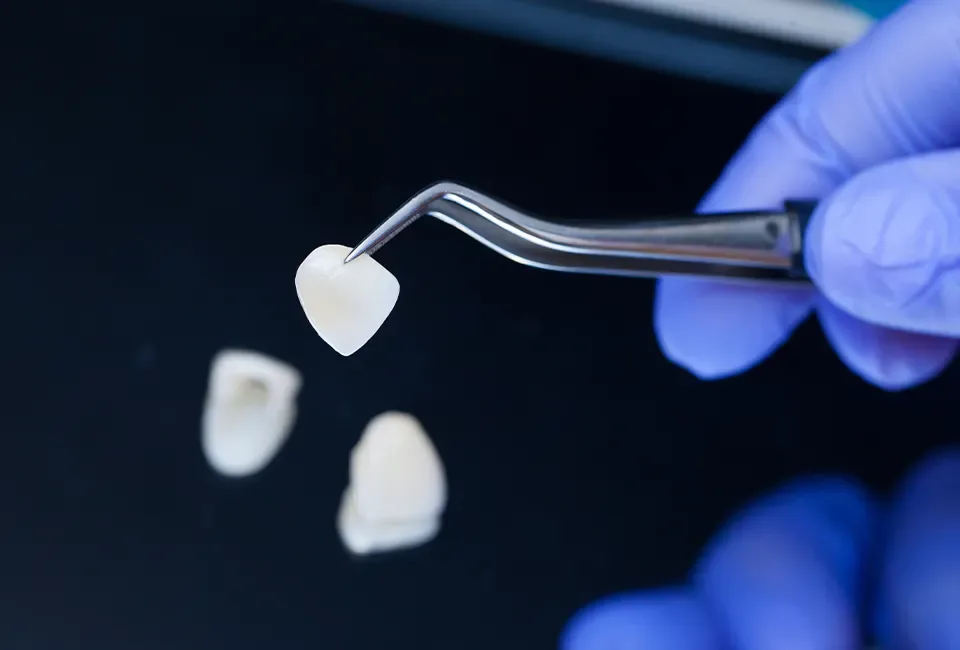
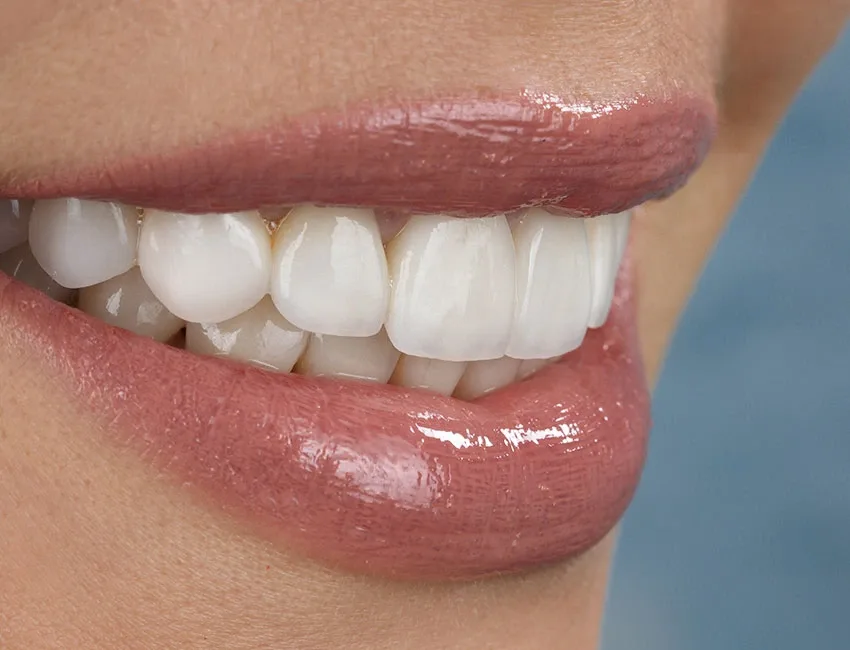
How long it takes to get used to porcelain veneers varies from person to person, and no fixed number of days applies to everyone. Porcelain veneers are thin ceramic shells, custom-made to fit over the front surface of the teeth, and your tongue, lips and bite need a little time to learn the new outlines.
The first week is when veneers feel most noticeable. Between the first visit and the final veneers, you may wear temporary veneers that preview the shape and let your mouth start adjusting.
Quick Answer
The time it takes to get used to porcelain veneers varies from person to person, and the first week is when they feel most noticeable. Your tongue, lips and bite adjust gradually, and speech can sound slightly different at first. Call the dentist about a rough edge, an uneven bite or a sound that does not settle.
Key Takeaways
- Veneers feel most noticeable in the first week, because the tongue keeps checking the new edges.
- Adjustment time differs by person, and the dentist checks the fit and bite before bonding.
- Speech can sound slightly different at first, and ordinary talking usually helps the tongue adjust.
- Temporary veneers can preview the shape while a dental lab makes your final veneers.
- A rough edge or an uneven bite is worth a call, since small adjustments are routine.
How Long Until Veneers Feel Normal?
The time varies from person to person, and no single number of days fits everyone. The change is gradual. The veneers stop being the first thing you notice, then stop being something you notice at all.
Two things can affect how long it takes. One is the number of teeth treated, since a single veneer is a smaller change than a full row. The other is how different the new shape is from the old one.
What Does the First Week With Veneers Feel Like?
The teeth can feel thicker or longer, even though the change is small, because the tongue is very good at exaggerating small differences. Veneers can feel odd at first, and that is part of the normal adjustment period.
Expect to run your tongue across the front teeth more than you ever have. Smooth, glassy porcelain feels different from enamel, and chewing gently at first gives the bite time to settle.
Will Veneers Change How You Speak?
Veneers can affect speech when the new shape changes how the tongue moves around the front teeth. A word or two can come out a little different. A faint whistle or a softer “s” is one example.
Ordinary talking usually sorts this out, since reading aloud and talking on the phone give the tongue practice. If a sound still seems off after the mouth has settled, the dentist can look at the shape of the veneers.
What Are Temporary Veneers For?
Porcelain veneers are made in a dental lab, which takes time. According to the American Dental Association’s MouthHealthy, “You may have a temporary veneer until yours is ready.” Temporaries also work as a rehearsal. Wearing a stand-in shows how a new length or width feels when you smile, talk and eat.
If something bothers you, say so before the final veneers are made. Temporaries are not identical to porcelain, so the final veneers may feel a little different.
How Does Intraoral Scanning Help the Fit?
Intraoral scanning uses a small wand to capture a digital picture of the teeth rather than relying only on trays of impression material. A precise scan helps each veneer fit well, and a good fit is a large part of why a veneer feels comfortable.
At the fitting visit, the dentist places each veneer to see how it sits and how the bite meets. Any adjustments happen before the veneers are bonded.
When Should You Call the Dentist?
Strange sensations are expected, but a few signs deserve a phone call rather than more waiting. A rough edge that keeps catching the tongue is one, and a bite where one tooth seems to hit first is another. A veneer that feels loose or a sound that does not settle belongs on the list too.
Small adjustments are routine, and a dentist would much rather hear about a bite that feels off in week one than discover it later. Anyone who clenches or grinds their teeth should say so, since the same MouthHealthy page notes that veneers may not suit people with those habits.
Frequently Asked Questions
Can I eat normally right away?
Start with softer foods and add firmer ones as the bite feels comfortable. Chewing gently at first gives the bite time to settle. The dentist can give eating guidance for your case, so ask at the fitting visit about anything you are unsure of.
What if a veneered tooth feels sensitive?
Tell the dentist, who checks the fit and the bite and finds the cause. Sensitivity that is sharp or does not go away deserves a call rather than more waiting. Mention it early, since small adjustments are routine and easy to make.
Will other people notice my veneers?
Others will usually see a natural-looking smile. You will probably spot the change long before anyone else does, since your tongue exaggerates small differences. The dentist designs the shape of each veneer with your face and neighboring teeth in mind.
Related Reading
- The Benefits of Porcelain Veneers: Why They’re a Great Investment
- Crowns vs. Veneers: Which Option is the Right One for You?
About the Author
This post was reviewed by Dr. Brandon Skenandore, DDS, who earned his Doctorate of Dental Surgery from the UCLA School of Dentistry and practices family dentistry. He is a member of the American Dental Association, California Dental Association, and Orange County Dental Association.
Curious how porcelain veneers would look and feel on you? Schedule a consultation with Westgrove Dental Care to talk through porcelain veneers in Garden Grove, CA.