
A 3D scan shows if your jaw needs rebuilding before an implant.
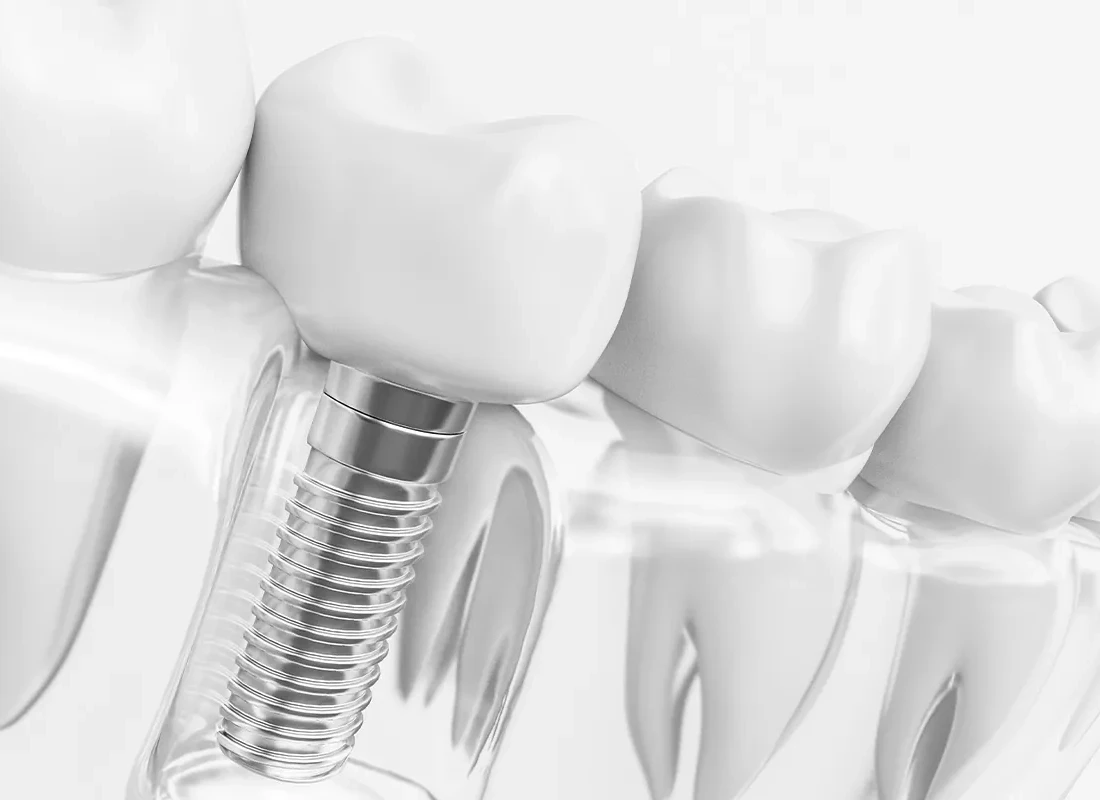
Been told an implant might need a graft first, and wondering if that is a sales pitch or a real requirement? A bone graft is needed before an implant when the jaw does not have enough bone to hold it. A bone graft for dental implants places bone material where the jaw has thinned, so the titanium post has solid support.
Some people need one and others do not. The answer comes from a 3D scan of your jaw, not from guesswork.
Quick Answer
A bone graft is not always needed before an implant. It is needed when a CBCT scan shows too little bone to hold the implant steadily, and an implant can go in directly when enough healthy bone is present. The dentist decides after measuring the bone at the planned implant site.
Key Takeaways
- Implants need enough healthy bone, and a graft adds bone where there is too little.
- A CBCT scan measures the bone in three dimensions and shows whether a graft is needed.
- An implant can go in without a graft when the scan shows enough bone.
- A graft placed at extraction helps preserve bone, while a later graft rebuilds bone already lost.
- A graft needs several months to heal, and follow-up imaging confirms the bone is ready.
What Does a Bone Graft Do for an Implant?
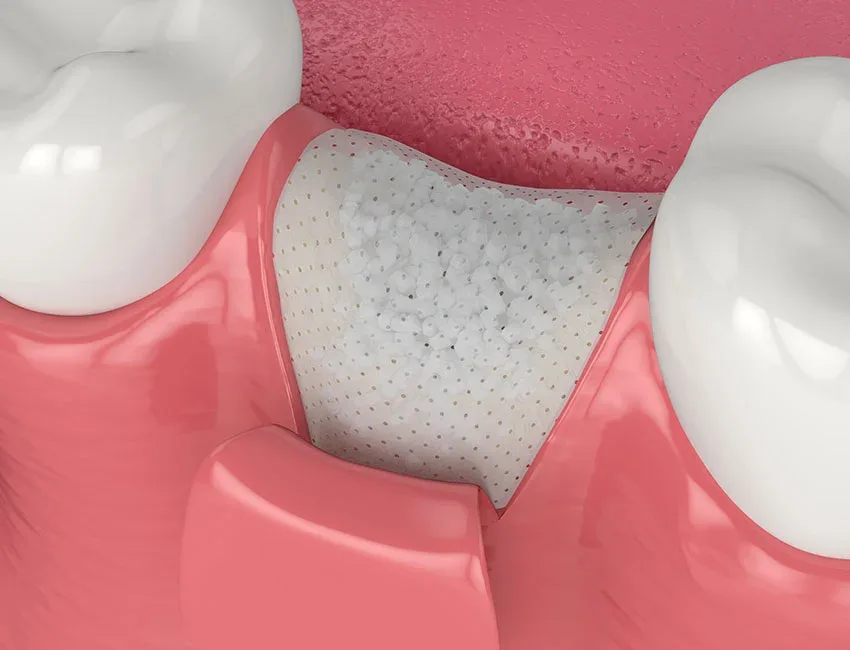
A bone graft gives an implant the bone it needs to stay steady. An implant is only as stable as the bone holding it. After a tooth is lost, the jawbone in that spot gradually shrinks, because chewing no longer stimulates it. A graft puts bone material into the thin area, and over time the graft blends with your existing bone and encourages new growth.
The material can be your own bone, donor bone or a synthetic material that the body accepts. Rebuilding that bone also helps maintain the natural shape of the face.
How Do You Know If You Need a Bone Graft?
A CBCT scan is how a dentist knows. You cannot feel bone volume, and a standard flat X-ray does not show how wide the bone is. A CBCT scan is a three-dimensional image that measures how tall and how wide the bone is at the planned implant site.
Some situations point toward a graft. A long-missing tooth, bone loss from advanced gum disease and a loose denture are common examples. A denture can loosen when the ridge underneath has shrunk. The dentist uses the scan measurements to decide whether a graft is needed.
When Can an Implant Go In Without a Graft?
An implant can go in without a graft when the scan shows enough bone in the right places. If the jaw is in good shape, the dentist may place the implant directly, with no graft step at all.
Skipping the graft is a decision made from measurements. It is not a shortcut, and no one can promise it before the scan.
Is It Better to Graft at Extraction or Later?
The timing question comes up most when a tooth has to come out. If an implant is likely down the line, a bone graft after tooth extraction can go in during the same visit. This is called socket preservation, and it fills the empty socket so the bone has less chance to collapse while it heals.
Waiting is the other path. Someone who lost a tooth years ago, or has bone loss from gum disease, may need a graft later to rebuild the missing bone. Both routes can lead to a stable implant, and the scan helps the dentist choose between them.
How Long Does a Bone Graft Take to Heal?
A bone graft needs several months to knit with living bone before the implant is placed. The dentist uses follow-up imaging to confirm the site has healed. The date depends on how the site heals, not on a fixed number of months.
The implant then has its own healing period. According to the American Dental Association’s MouthHealthy, the bone around an implant heals in a process called osseointegration. Some patients may need to wait up to several months until the implant is completely integrated before replacement teeth are attached. Graft healing and implant healing are two separate waits, so the whole process can take a while.
Who Plans the Graft and the Implant?
The dentist plans both from the same scan. When a periodontist works in the same office, grafting and implant placement can be planned together, so the steps stay connected from the first scan to the final crown.
Frequently Asked Questions
Is a bone graft painful?
The treatment area is thoroughly numbed before the graft is placed. Soreness afterward varies from person to person, and the dentist explains what to expect and how to manage it for your case. Ask about recovery at the consultation so there are no surprises.
Can the graft and implant happen at the same time?
It depends on the scan and the treatment plan. A graft can be placed at the time of extraction to preserve bone. The implant itself goes in once there is enough bone and the site has healed, so the two are often separate steps.
Does insurance cover a bone graft before an implant?
Coverage often depends on the plan and on whether the graft supports a medically necessary restoration. A dental office can verify your benefits before treatment begins, so ask for that review when you schedule the consultation.
Related Reading
- How Much Do Dental Implants Cost in Garden Grove, CA?
- Dental Implants vs. Dentures: Which Feels More Natural?
About the Author
This post was reviewed by Dr. Brandon Skenandore, DDS, who earned his Doctorate of Dental Surgery from the UCLA School of Dentistry and practices family dentistry. He is a member of the American Dental Association, California Dental Association, and Orange County Dental Association.
Unsure where your bone stands? Schedule a consultation with Westgrove Dental Care for a scan-based plan and a talk about dental bone grafting in Garden Grove, CA.