
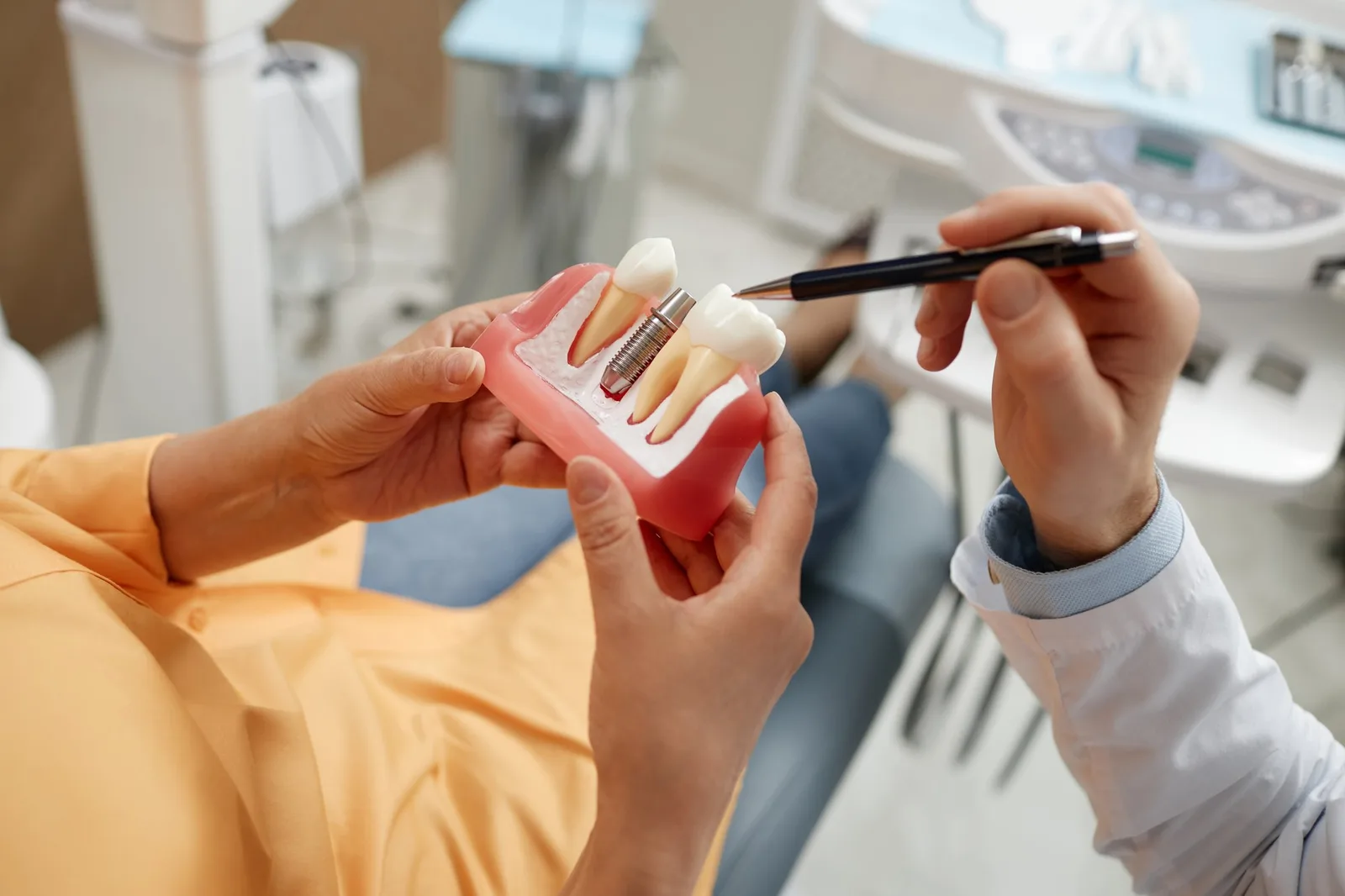
Implant surgery is done with numbing, and most people report much less pain than expected.
Putting off an implant because you are dreading the surgery? The reality tends to surprise people. Getting a dental implant is much more comfortable than its reputation suggests, and a single tooth implant is a routine procedure with well-controlled discomfort. A single tooth implant is a titanium post placed in the jaw, topped with a crown that replaces one missing tooth. Knowing what the process actually feels like takes most of the fear out of it. The procedure has become highly refined over the past few decades. Millions are placed each year with a strong comfort record.
Key Takeaways
- The area is fully numbed, so you feel pressure but not pain during surgery.
- Most people compare recovery to a routine tooth extraction or milder.
- Over-the-counter pain relievers handle the soreness for the majority of patients.
- Sedation options are available for anyone anxious about the procedure.
- Discomfort typically peaks within two days and fades from there.
What Does the Surgery Actually Feel Like?
Much less dramatic than the word surgery implies. The jaw and gum are fully numbed with local anesthetic before anything begins, so what you feel is pressure and vibration rather than pain. Many patients are surprised the appointment is shorter than expected, often under an hour for a single implant. The jawbone itself has very few pain receptors, which is a large part of why the procedure is so tolerable. Most people report the anticipation beforehand was worse than the appointment itself. The implant is placed into a precisely prepared site, guided by a 3D scan taken in advance, so the surgeon works with a clear plan rather than improvising.
Is Recovery Painful?
Some soreness is normal, but it is manageable. When patients ask if dental implants are painful afterward, the common comparison is a routine extraction, and many describe it as gentler. Swelling and tenderness usually peak around the second day and improve steadily from there. Ice on the outside of the cheek for the first day helps considerably. Most people return to work or normal activities within a day or two, taking it easy on the surgical side while it heals. Bruising sometimes appears and fades on its own. By the end of the first week, most patients report feeling essentially normal again.
How Is the Discomfort Managed?
Most cases need nothing stronger than what you already have at home. Over-the-counter pain relievers taken as directed handle typical dental implant pain for the majority of patients. Your provider may prescribe something stronger for more involved cases, such as multiple implants or a simultaneous bone graft. Antibiotics are sometimes included to prevent infection. Soft foods for the first few days and avoiding the surgical area while brushing also keep things comfortable. A gentle salt water rinse, started when your provider says it is safe, helps keep the area clean without disturbing it.
What If You Are Anxious About It?
Nervousness about oral surgery is extremely common and worth mentioning ahead of time. According to MouthHealthy from the American Dental Association, dental implants are an ever-popular and effective way to replace missing teeth and are designed to blend in with your other teeth. Sedation options range from nitrous oxide to oral or IV sedation, and many patients have no memory of the procedure afterward. Talking through the steps in advance also helps, since knowing what happens and when removes much of the uncertainty that drives dental anxiety.
When Should You Call About Pain?
Most discomfort follows a predictable downward path. Pain that worsens after day three rather than improving, swelling that keeps increasing, fever, or persistent bleeding are all reasons to call the office. These are uncommon, but they warrant prompt attention rather than waiting. Numbness that does not fade after the anesthetic should have worn off is also worth reporting. Following the aftercare instructions closely, especially avoiding smoking and straws, prevents most complications.
Frequently Asked Questions
Does implant surgery hurt during the procedure?
No. The area is fully numbed, so you feel pressure rather than pain. Sedation is available if you would prefer to be more relaxed.
How long does soreness last?
Discomfort typically peaks within about two days and fades over the following week. Most people are back to normal activities within a day or two.
Is an implant more painful than an extraction?
Usually not. Many patients describe implant recovery as comparable to or milder than having a tooth pulled.
More Comfortable Than It Sounds
Getting a dental implant involves much less discomfort than most people expect going in. Local anesthesia handles the procedure itself, over-the-counter medication handles the recovery, and sedation is available for anyone who wants it. A single tooth implant is among the most predictable procedures in dentistry, and comfort has improved considerably over the years. For most people, the fear turns out to be the hardest part of the whole process.
- If you want to learn more about what getting a dental implant feels like, visit our Single Tooth Implant in Garden Grove, CA, page or schedule a consultation.