

Replacing a missing tooth soon protects your bone, your bite, and your remaining teeth.
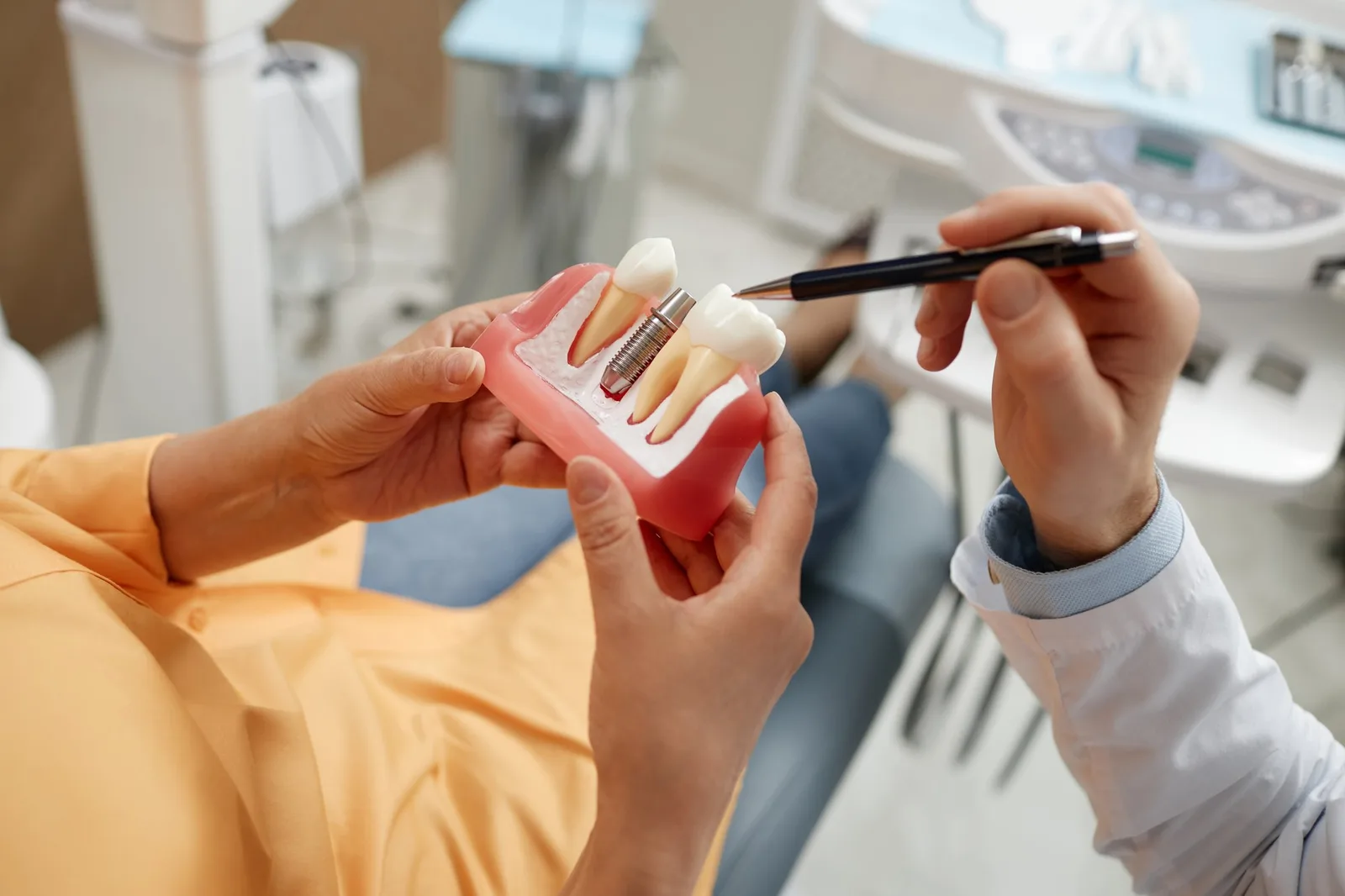
Lost a tooth and figuring you will deal with it eventually? Waiting costs more than most people realize. Replacing a missing tooth soon protects the jawbone and the teeth around the gap, and dental implants are the option built to do exactly that. Dental implants are titanium posts placed in the jaw that act as new tooth roots, topped with custom crowns. Here are five reasons the timeline matters more than you might think. A gap that seems harmless today sets off changes below the surface almost immediately. Understanding those changes makes the case for moving sooner rather than letting the gap settle in.
Key Takeaways
- The jawbone begins shrinking within months of losing a tooth.
- Neighboring teeth drift into the gap, changing your bite over time.
- Waiting can make you need a bone graft before an implant is possible.
- Chewing and speaking both get harder as the gap affects surrounding teeth.
- Acting early keeps treatment shorter and less expensive.
1. Bone Loss Starts Right Away
This is the reason dentists push for speed. According to the Cleveland Clinic, a dental implant replaces the tooth root, and the jawbone grows around it in a process called osseointegration. Without a root to stimulate it, the bone in that spot starts to shrink, and much of that loss happens in the first year. You will not see or feel it happening, which is part of the problem. The longer the gap sits empty, the less bone remains to work with later. Bone loss also changes the shape of the face over time, which is why long-term gaps can make people look older than they are. An implant is the only replacement that restores the root and keeps that stimulation going.
2. Waiting Can Mean Needing a Bone Graft
Here is the practical consequence of that bone loss. If enough bone disappears, there may not be enough height or width left to hold an implant securely. At that point, a bone graft is needed to rebuild the area first, adding several months of healing and additional cost to the treatment. Someone who acts within the first several months often skips that step entirely. The same implant becomes a longer, more involved process purely because of timing.
In some cases, the implant can even be placed the same day the tooth is removed, which preserves the most bone possible. A scan determines whether that immediate approach is realistic for your situation.
3. Your Other Teeth Start Shifting
Teeth rely on their neighbors to stay in position. When a gap opens, the teeth on either side gradually tilt toward it, and the tooth above or below can drift down or up because nothing meets it anymore. That shifting changes how your teeth come together, which can create uneven wear and jaw strain. Crowded, tilted teeth are also harder to keep clean, raising your risk of decay and gum problems. Filling the space early keeps everything where it belongs. Once teeth have drifted significantly, reopening the space may require orthodontic treatment before an implant can be placed. That turns one procedure into two, purely because of the delay.
4. Chewing and Speech Get Harder
A single missing tooth affects daily function more than expected. Losing a back tooth makes chewing certain foods difficult, which pushes many people toward softer, less nutritious choices. A missing front tooth can affect how you pronounce certain sounds. As neighboring teeth shift, chewing force gets distributed unevenly, wearing some teeth faster than others. Among the missing tooth options available, an implant is the only one that restores full chewing strength like a natural tooth. Many people also feel self-conscious about a visible gap, which affects how freely they smile and speak in everyday situations.
5. Early Treatment Costs Less
The cost of waiting compounds. Prompt missing tooth replacement usually means a straightforward implant placement with no extra procedures. Delay long enough, and the same case may require a graft, orthodontic work to reopen the space that closed, or treatment for the neighboring teeth that shifted and wore unevenly. Each addition means more appointments, more months, and more expense. What could have been a single procedure becomes a staged treatment plan spanning most of a year. Acting early is consistently the most straightforward path.
Why the Timeline Matters
Replacing a missing tooth soon is about protecting what you still have: the bone in your jaw, the alignment of your bite, and the health of the teeth beside the gap. Every month of delay narrows your options and often adds steps to the treatment. Dental implants restore the tooth from the root up, which is why they preserve bone in a way other options cannot. The gap itself may look unchanged, but the mouth around it is quietly reorganizing.
- If you want to learn more about replacing a missing tooth, visit our Dental Implants in Garden Grove, CA, page or schedule a consultation.